…Olubadan Secures N296bn Ibadan–Ijebu-Ode Dualisation, Kudeti River Channelisation
By Demola Babalola
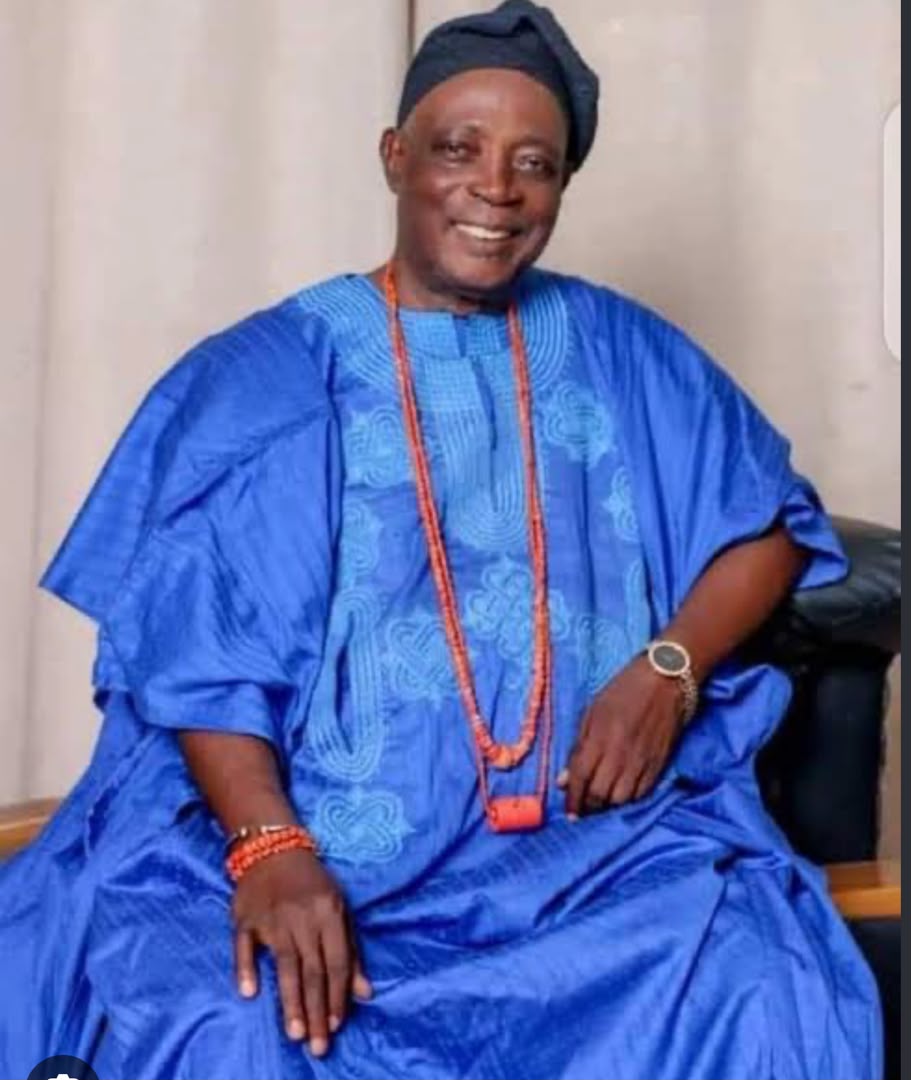
For Ibadanland, the 82nd birthday of Oba Rashidi Adewolu Ladoja, Arusa I, is more than a celebration of age and royalty. It is a moment to reflect on a first year on the throne in which the Olubadan has demonstrated that traditional authority can be deployed to attract tangible development to the people.
As the monarch clocks 82 today, Friday, September 25, 2026, coinciding with the first anniversary of his ascension to the throne of his forebears, Ibadan has reasons to celebrate a reign that is already producing major infrastructure gains.
At the heart of those gains is the longstanding relationship between the Olubadan and President Bola Ahmed Tinubu, a friendship that has now translated into significant Federal Government interventions for Ibadanland.
Among the most prominent is the N296 billion reconstruction and full dualisation of the Ibadan–Ijebu-Ode Road, a strategic corridor connecting Oyo and Ogun states.
The 56.5-kilometre project was formally flagged off in August, with the Federal Government describing the road as critical to transportation, security, agriculture, commerce and regional economic integration.
But beyond the official flag-off, the story of the project is also a story of Ladoja’s personal intervention.
The Minister of Works, David Umahi, disclosed at the flag-off that President Tinubu’s approval followed a letter written by Oba Ladoja requesting infrastructural development interventions in the South-West, including the Ibadan–Ijebu-Ode corridor. Umahi described the project as a gift from President Tinubu to the Olubadan.
That intervention has become one of the clearest illustrations of how Ladoja’s relationship with the President is yielding dividends for his people.
Ladoja’s relationship with Tinubu predates his emergence as Olubadan. Over the years, the two political veterans have maintained a relationship that has survived changing political circumstances.
Now, from the traditional throne, Ladoja has transformed that relationship into a channel for advancing the interests of Ibadanland.
The Ibadan–Ijebu-Ode Road is a prime example.
For years, the road remained a major source of hardship for farmers, traders, commuters and businesses. Its poor condition also raised serious security concerns along the corridor.
At the flag-off ceremony, Ladoja thanked President Tinubu for approving the project and stressed its potential to improve security, transportation and economic relations between Ibadan and Ijebu communities.
The Olubadan’s development advocacy has not stopped with road infrastructure.
The long-awaited Kudeti River channelisation project, regarded as critical to flood control and environmental management in Ibadan, has also received approval through the Ecological Fund Office under the Secretary to the Government of the Federation, Senator George Akume.
According to Presidency sources cited in reports on the monarch’s 82nd birthday, Ladoja personally took the Kudeti proposal to the SGF, leading to its capture for implementation.
The significance of the intervention cannot be overstated.
Kudeti is not merely a waterway; its channelisation represents a potential solution to one of Ibadan’s recurring environmental challenges and another example of the Olubadan deploying his access to the highest level of government in pursuit of development for his people.
Ladoja’s first year has also witnessed initiatives aimed at making Ibadan safer, more investment-friendly and economically productive.
On land security, the monarch established a Special Anti-Land Grabbing Legal Committee, headed by legal luminaries including Chief Niyi Akintola, SAN, and Musibau Adetunbi, SAN.
The initiative is designed to confront the menace of land grabbing and strengthen protection for legitimate landowners across Ibadanland. The palace has also warned that traditional chiefs found aiding land grabbers could face disciplinary action.
In the economic sector, the Olubadan constituted an Economic and Investment Committee, chaired by former Minister of Industry, Chief Onikepo Akande, with former Head of Service, Professor Oladapo Afolabi, as co-chairman.
The committee’s mandate includes exploring ways to revive Ibadan’s industrial heritage and attract investments capable of creating employment opportunities for the city’s teeming youth population.
Industrial concerns such as Leyland, Exide Battery, Wire and Cable, Isoglass and Ferodo, once important components of Ibadan’s industrial landscape, have featured in discussions about restoring the city’s manufacturing potential.
The Olubadan’s development agenda also extends to food security and grassroots empowerment.
Through initiatives such as Gaari Ibadan and community farming, the traditional institution is seeking to encourage local production, strengthen food security and create opportunities for young people.
These efforts reinforce Ladoja’s emerging philosophy of traditional leadership: that the palace must remain connected to the economic realities and aspirations of the people.
Despite the significance of his 82nd birthday and first anniversary on the throne, Oba Ladoja has chosen a low-key celebration.
The monarch is currently in Saudi Arabia for Umrah, using the occasion to offer thanksgiving to Almighty Allah for the peace, grace and successes of his first year as Olubadan.
Rather than an elaborate birthday celebration, the monarch has called for prayers for Ibadanland, Oyo State, Yorubaland and Nigeria.
That quiet disposition perhaps captures the character of a reign in which the emphasis has increasingly shifted from ceremonies to results.
The unfolding development story also underscores the importance of relationships in public service.
Ladoja’s decades of political experience and longstanding relationship with President Tinubu have created a bridge between the traditional institution in Ibadan and the Federal Government.
The evidence is now visible in major infrastructure decisions.
The Ibadan–Ijebu-Ode Road, approved by Tinubu following Ladoja’s intervention, is already under construction, while the Kudeti River channelisation has received approval.
For Ibadanland, these are not merely government projects. They are the fruits of a monarch who has continued to deploy his influence, relationships and experience in the service of his people.
At 82, Oba Rashidi Adewolu Ladoja is therefore celebrating more than longevity.
He is celebrating a year in which the crown has become an instrument of advocacy, influence and development.
The lesson of the Arusa I reign is becoming increasingly clear: a traditional ruler’s greatest influence is not measured by the splendour of the palace, but by what he can bring home to his people.
And in that regard, Ladoja’s enduring friendship with President Bola Ahmed Tinubu is already writing a new chapter in the development story of Ibadanland.
At 82, Ladoja Turns Tinubu Friendship into Development Gains for Ibadan