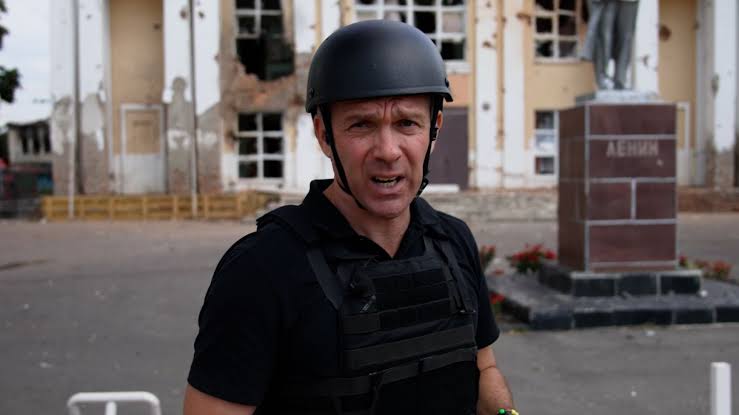
Russia has opened a criminal case against CNN’s Chief International Security Correspondent Nick Paton Walsh, accusing him of illegally crossing the border into the Kursk region. This move is part of Russia’s broader crackdown on Western journalists covering the conflict between Russia and Ukraine.
In a dramatic escalation of tensions between Russia and Western media, Russia’s FSB security service announced on Thursday that it has launched a criminal case against Nick Paton Walsh, a prominent journalist working for CNN. The FSB accuses Walsh, a British citizen and CNN’s Chief International Security Correspondent, of illegally crossing into Russian territory to film a report in the volatile Kursk region, which has recently seen cross-border incursions by Ukrainian forces.
The FSB, which is the successor to the Soviet-era KGB, revealed that Walsh had been banned from entering Russia as part of Moscow’s broader standoff with the West. Despite this ban, Walsh reportedly entered the Kursk region as part of a reporting trip, prompting the FSB to issue international arrest warrants for him and two Ukrainian journalists, Diana Butsko and Olesya Borovik, who are facing similar charges. According to Russian law, the maximum penalty for illegally crossing the border is five years in prison.
CNN has strongly defended Walsh’s actions, stating that his reporting was legitimate and conducted under the protection of international law. “Throughout this conflict, our team has delivered factual, impartial reporting covering both the Ukrainian and Russian perspectives on the war,” CNN said in a statement. The network emphasized that Walsh and his team were invited by the Ukrainian government and escorted by the Ukrainian military to the area, which is protected under the Geneva Convention and international law.
The CNN report in question involved journalists traveling with a Ukrainian military convoy into the town of Sudzha, where they documented the desolate aftermath of the Ukrainian incursion, finding only a few elderly residents left in the nearly deserted town.
Russia’s actions against Walsh come amid broader tensions with Western journalists. Earlier this week, Moscow summoned a senior U.S. diplomat to protest what it described as “provocative actions” by American journalists covering events in Kursk. The Russian Foreign Ministry also summoned Italy’s ambassador to complain about an alleged “illegal border crossing” into Kursk by a team from Italian state broadcaster RAI. The FSB subsequently opened criminal cases against two RAI journalists involved in that incident.
The background to these developments is Ukraine’s significant military incursion into the Kursk region, the largest of its kind since World War II. This operation began on August 6, with thousands of Ukrainian troops crossing Russia’s western border. While Russia claims to be repelling Ukrainian forces from Kursk, it has also reported fresh attempts by Ukrainian troops to infiltrate the border in the Bryansk region.
These incidents underscore the fraught and increasingly hostile environment for journalists covering the ongoing conflict, as Russia intensifies its crackdown on those reporting from within its borders.