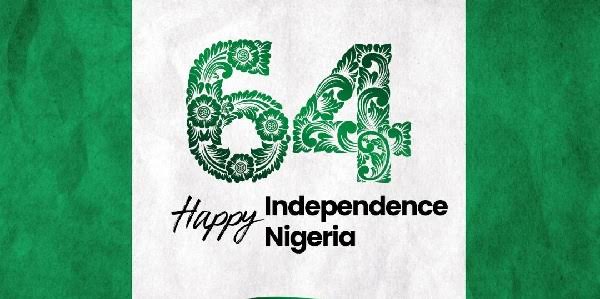
Reflecting on Nigeria’s 64th Independence anniversary, I initially felt indifferent, wondering if writing about our struggles was even worthwhile. But silence in the face of dysfunction only empowers those responsible for our decline.
Imagine Nigeria as a man born 64 years ago, nurtured with the hopes and dreams that accompany new life. By now, he should have secured a stable future—children raised, a home built, investments made. The official retirement age for a civil servant is 60, by which time they are expected to have accomplished much. But for Nigeria, this isn’t the case. Despite 64 years of supposed independence, the country struggles to stand on its own.
Nigeria today has little to show for its years. Its investments are scant, while its debts are a global embarrassment. Multinational companies have fled in droves, citing epileptic power supply, insecurity, a lack of raw materials, and an economy stifled by rising production costs. Rampant inflation and an unstable exchange rate make it nearly impossible to thrive. Roads are in disrepair, and energy costs soar, pushing the nation’s economic engine into reverse.
At the heart of Nigeria’s woes is corruption. It has seeped into every facet of the system, from the lowest levels of governance to the highest. There is no public institution immune to its corrosive influence. Even religious leaders and journalists—those meant to uphold moral values and give voice to the voiceless—have fallen prey. Journalists, once heralded as the defenders of truth, are all too often swayed by appointments or contracts, abandoning their mission of holding the powerful accountable.
We have some incorruptible Nigerians, but they are a rare breed, drowned out by the overwhelming cacophony of corruption. The system often sidelines or eliminates these few, sometimes by force, and other times by rendering them ineffective.
Consumers, meanwhile, are left vulnerable, exploited by manufacturers and traders who saturate the market with substandard goods. Dangerous products, especially beverages, have claimed lives. Yet no one in power seems willing to stop the flood of fake goods or hold accountable those profiting from the chaos.
Ethnicity is another stumbling block. Instead of fostering unity, we remain divided along tribal lines, blindly supporting those from our ethnic groups—even when they enact policies that damage the nation. Politicians exploit these divisions to further their own interests, keeping us distracted while they raid the nation’s coffers.
At 64, Nigeria still cannot boast of an uninterrupted power supply, even for just 10 hours a day, across all its states. The country has failed to establish one standard hospital in each of its 774 local government areas, and the education sector is crumbling, with a growing number of out-of-school children. The rising cost of education, coupled with the harsh economic environment, leaves many parents unable to afford even secondary school fees for their children.
In a nation blessed with abundant natural resources, our leaders continue to allow foreign exploitation without accountability. Our mismanagement of wealth is appalling.
But all is not lost. The path to recovery begins with leadership committed to genuine reform. We must cut down on waste, reduce the cost of governance, and wage an uncompromising war on corruption. Strong penalties must be imposed on violators, and open grazing, which stifles agricultural productivity, must be outlawed to allow farmers to return to their land. Regional governance could also pave the way for more effective and localized development.
Energy remains the cornerstone of any thriving economy. The government must invest in the power sector, not just by generating more electricity but by ensuring its consistent distribution. With reliable power, industries will flourish, jobs will be created, and the economy will rebound.
At 64, Nigeria can still turn the tide—but only if those in power are willing to embrace true reform and take bold, decisive actions.